
The Fascinating History of Football: From Ancient Origins to Global Dominance
Football, or soccer as it's called in some parts of the world, stands as the most popular sport globally, with billions of fans and players. Whether in the packed stadiums of Europe, the dusty streets of Africa, or the beaches of South America, football unites people across cultures and continents. Its journey from ancient origins to its present-day status as the "beautiful game" is a testament to its universal appeal. This article will explore the evolution of football, from its primitive beginnings to its establishment as a professional sport and its massive global impact.

1. Ancient Roots: Early Forms of Football
The basic idea of kicking a ball in some form of game has been around for millennia. Several ancient cultures had sports that resembled modern-day football, showing humanity’s inherent love for kicking objects in competition.
Ancient China: Cuju (Zújú)
One of the earliest known forms of football comes from China around 206 B.C. during the Han Dynasty. The game, called Cuju, involved kicking a leather ball filled with feathers into a small net. Players used their feet, chest, back, and shoulders to move the ball but could not use their hands. Cuju was used as military training and was a popular sport in imperial courts.
Mesoamerica: The Ball Game
In Mesoamerica, the indigenous peoples developed a ball game that dates back to around 1600 B.C. Though quite different from football, this game had similar elements, such as using a ball and a competitive, team-based structure. The rubber ball could weigh up to four kilograms, and while the game had religious and ritual significance, it was also an important part of daily entertainment.
Medieval Europe
In medieval Europe, various forms of football existed. From "mob football" in England to similar chaotic games in France and Italy, the sport was a wild, often violent affair with minimal rules. Played mainly in towns and villages during festivals, teams were sometimes composed of dozens, if not hundreds, of people. The aim was to move a ball to a specific target by any means necessary.
2. The Birth of Modern Football: 19th Century England
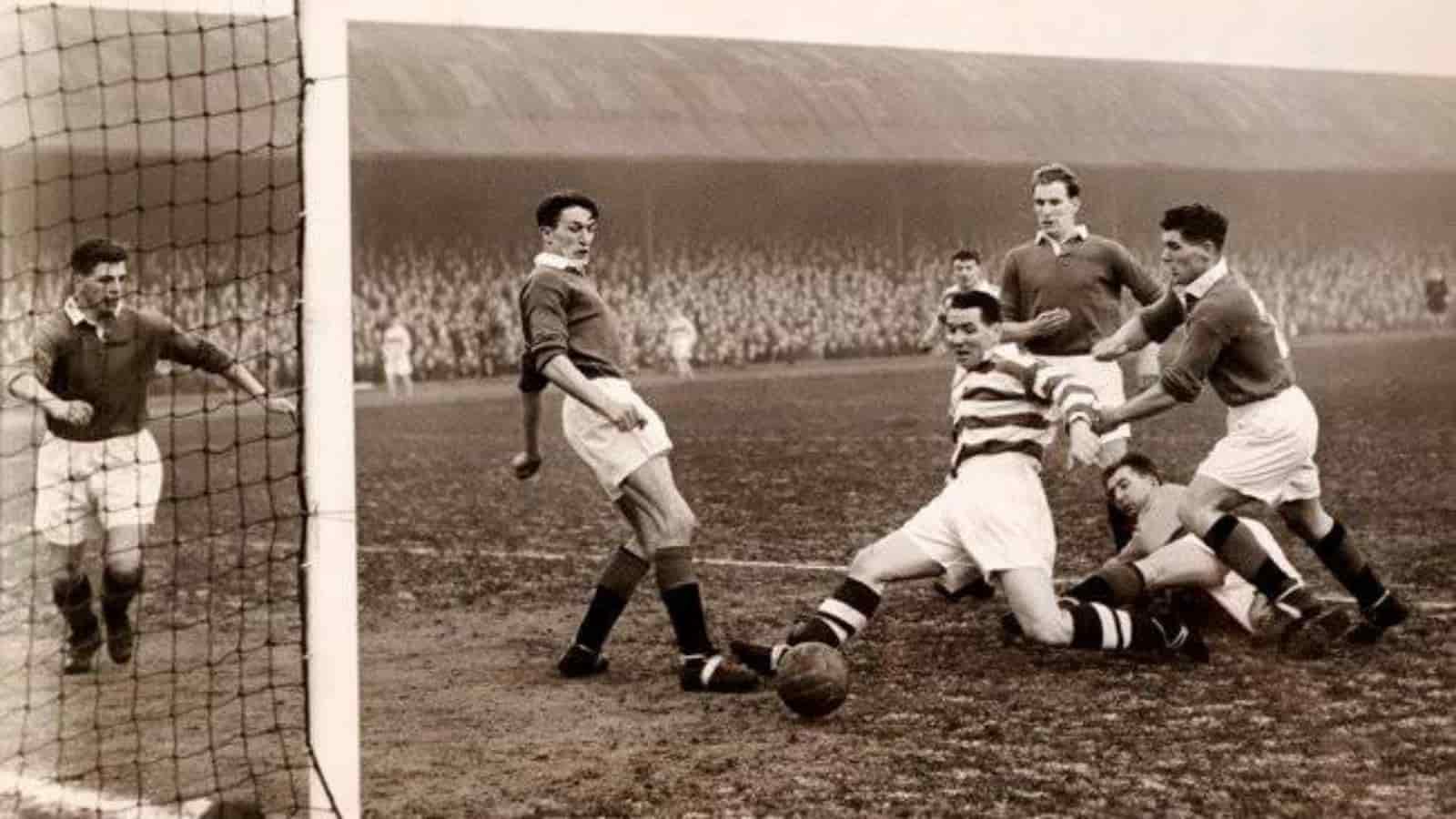
While many cultures had games resembling football, the codified version we know today has its roots in England during the 19th century. The industrial revolution had a significant impact on society, creating urban communities where leisure activities began to take on a more organized form.
Public Schools and the Development of Rules
Football's transformation from an unruly, village pastime to an organized sport began in English public schools such as Eton, Harrow, and Rugby. Each school had its own version of the game with different rules, some allowing the use of hands, others focusing solely on kicking. This led to a divide between "rugby football" and "association football" (or soccer).
In 1863, the Football Association (FA) was formed in London, marking a turning point in football history. The FA established a uniform set of rules that emphasized kicking the ball and disallowed using hands, which eventually separated football from rugby.
The Global Spread
The British Empire played a crucial role in spreading football globally. As British traders, sailors, and soldiers traveled the world, they introduced football to various countries. By the end of the 19th century, football clubs and leagues were forming in Europe, South America, and even parts of Africa and Asia.
3. Early International Competitions and the Rise of Professionalism
The First International Match
The first official international football match took place between England and Scotland in 1872 in Glasgow, ending in a 0-0 draw. This match sparked a wave of international fixtures, and soon more nations began to field teams.
The Formation of FIFA
In 1904, the Fédération Internationale de Football Association (FIFA) was established in Paris, with seven founding members: France, Belgium, Denmark, the Netherlands, Spain, Sweden, and Switzerland. FIFA's aim was to standardize the rules of football across different countries and oversee international competitions.
Professionalism Takes Hold
While football began as an amateur sport, it rapidly became professional. In England, for instance, players were originally expected to play for the love of the game, but as the sport's popularity grew, so did the demand for skilled players. By the late 19th century, clubs began paying players, with Preston North End becoming the first official professional football club in 1885. Other countries followed suit, and by the early 20th century, professional football leagues were common across Europe and South America.
4. The First World Cup and Football's Globalization
The Birth of the World Cup
The idea of a global football competition took shape in the early 20th century. The Olympic Games had hosted football as an amateur event since 1900, but there was a growing desire for a professional tournament. In 1930, under the guidance of FIFA's president, Jules Rimet, the first FIFA World Cup was held in Uruguay. Thirteen teams participated, and Uruguay emerged as the inaugural champions.
The Impact of World War II
Football, like many other aspects of society, was affected by World War II. Many players served in the military, and league competitions were suspended. However, the sport resumed shortly after the war, with a renewed sense of hope and unity. The 1950 World Cup in Brazil marked a significant moment in post-war football, as the tournament returned after a 12-year hiatus due to the war.
5. Football’s Golden Age: Post-War Boom and the Rise of Iconic Players
Pele and Brazil’s Dominance
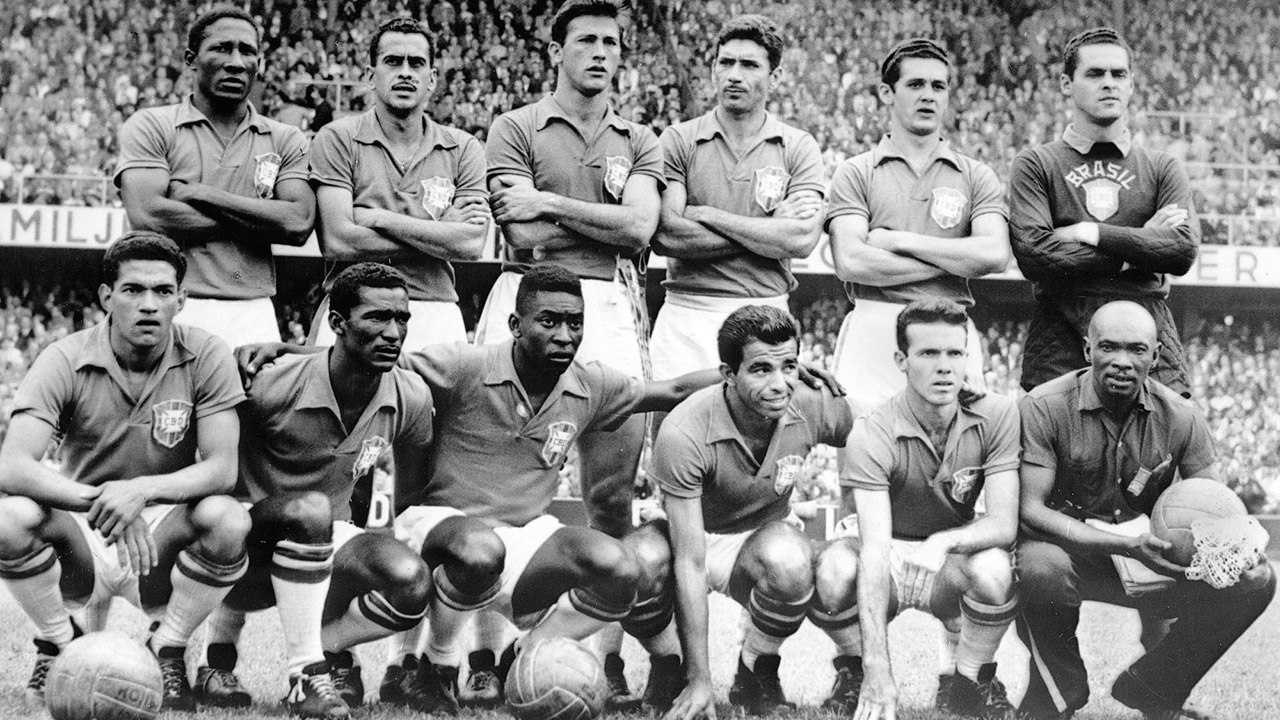
The 1950s and 1960s are often referred to as football's golden age, particularly with the emergence of legendary players like Pele, who helped Brazil dominate the international stage. Brazil won their first World Cup in 1958, and Pele, just 17 years old, became an international sensation. Brazil would go on to win two more World Cups in 1962 and 1970, with Pele becoming the only player to win three World Cups.
European Football Evolves
European club football also reached new heights during this period. In 1955, the European Cup (now known as the UEFA Champions League) was established, providing a platform for the best clubs across Europe to compete against each other. Real Madrid dominated the early years of the competition, winning the first five titles between 1956 and 1960. This period also saw the emergence of other football icons like Ferenc Puskás, Eusebio, and George Best.
6. The Globalization of Football in the Modern Era
The Expanding World Cup
The World Cup expanded throughout the latter half of the 20th century and into the 21st. More teams from Africa, Asia, and North America began to qualify, and the tournament became a truly global event. The 1994 World Cup in the United States marked a turning point in football’s global appeal, drawing record-breaking crowds and increasing the sport's popularity in a traditionally non-footballing country.
Club Football Becomes a Global Industry
By the late 20th century, football had become a multi-billion dollar industry. The creation of the English Premier League in 1992 revolutionized the game, turning it into a highly commercialized sport. Television deals, sponsorships, and massive broadcasting rights made clubs like Manchester United, Barcelona, and Real Madrid household names across the globe. Players like Lionel Messi, Cristiano Ronaldo, and Zinedine Zidane have become global icons, with millions of fans across continents.
7. Football’s Social and Cultural Impact
Football’s influence extends beyond the pitch. The sport has been a catalyst for social change, a tool for diplomacy, and a symbol of national pride. In countries like Brazil, Argentina, and Italy, football is deeply intertwined with national identity. The sport has also played a role in promoting peace, as seen in the Ivory Coast where football was used to bring a divided nation together during its civil war.
Football has the unique ability to bring people together, regardless of background or social status. Its simplicity—a ball and a space to play—means that almost anyone can participate, making it accessible in even the most remote and disadvantaged areas of the world.
Conclusion
From its ancient beginnings in China and Mesoamerica to its modern global dominance, football has traveled a long and fascinating journey. It has evolved from a local pastime to the world's most beloved sport, captivating billions of people. The beauty of football lies in its simplicity, the drama it produces, and its ability to unite people across borders. As football continues to grow, it remains a symbol of human connection, competition, and passion.