
The History of Premier League Football
The competition was founded as the FA Premier League on 20 February 1992, is one of the most popular and lucrative football leagues in the world. With its blend of fierce competition, star players, and passionate fan bases, the Premier League has become a global phenomenon. This article delves into the history of the Premier League, exploring its origins, key moments, and impact on football.

The Formation of the Premier League
The Premier League was formed in 1992 after the clubs in the Football League First Division broke away from the Football League, which had been established in 1888. The decision to create a new league was driven by the desire for greater financial autonomy, increased television revenue, and the need to enhance the competition's profile.
- Key Dates:
- 1991: Clubs voted to break away from the Football League.
- August 15, 1992: The Premier League kicked off its first season.
The First Season (1992-1993)
The inaugural season of the Premier League featured 22 teams, including notable clubs such as Manchester United, Liverpool, Arsenal, and Tottenham Hotspur. The season saw Manchester United emerge as champions under the management of Sir Alex Ferguson, who played a pivotal role in shaping the league's competitive landscape.
- Highlights:
- Manchester United won their first league title in 26 years.
- The introduction of new television deals significantly increased revenue for clubs.
The Rise of the Big Clubs
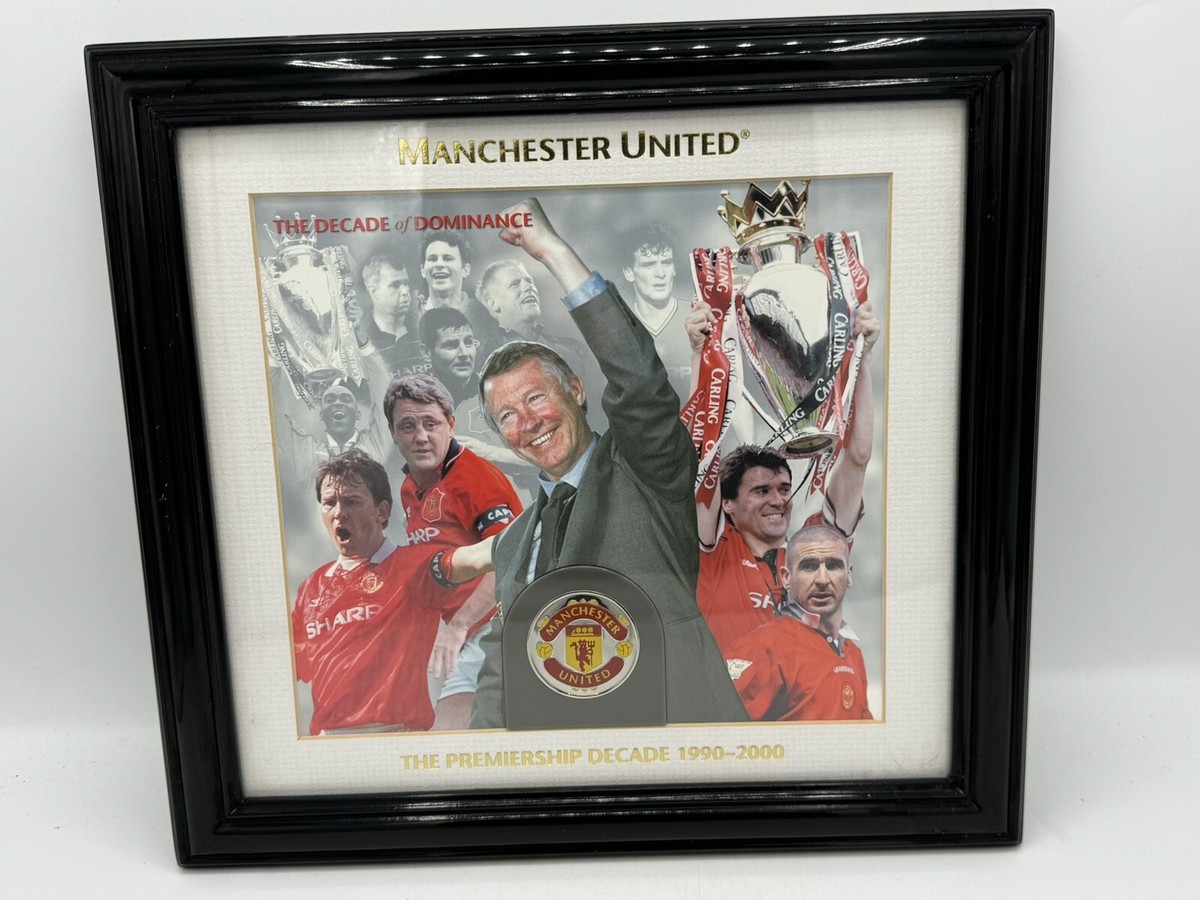
Throughout the 1990s and early 2000s, several clubs emerged as dominant forces in the Premier League. Manchester United, Arsenal, and Liverpool became known as the "big clubs," with fierce rivalries developing between them.
- Manchester United Dominance: Under Ferguson, United won 13 Premier League titles between 1992 and 2013.
- Arsenal's Invincibles: The 2003-2004 season saw Arsenal complete the league campaign unbeaten, a feat unmatched in the Premier League era.
Global Expansion and Television Rights
The Premier League's popularity skyrocketed in the late 1990s and early 2000s, thanks in part to lucrative television deals that brought the league into homes worldwide. The league's global reach expanded, with fans from various countries tuning in to watch their favorite clubs.
- Key Points:
- The league's international broadcasting rights became a significant source of revenue.
- The introduction of foreign players contributed to the league's appeal.
The Influence of Foreign Managers and Players
The Premier League has seen a significant influx of foreign managers and players, enhancing its reputation as a melting pot of footballing talent. Managers like Arsène Wenger, José Mourinho, and Pep Guardiola brought new tactics and philosophies to the league, elevating the level of play.
- Notable Foreign Players:
- Thierry Henry (Arsenal)
- Cristiano Ronaldo (Manchester United)
- Didier Drogba (Chelsea)
Recent Developments and Future Prospects
The Premier League continues to evolve, with new teams entering the fray and established clubs vying for supremacy. The league's commitment to inclusivity and diversity is reflected in initiatives promoting grassroots football and community engagement.
- Future Outlook:
- The league's ongoing efforts to grow its global audience.
- The potential for new technologies, such as VAR, to shape the future of the game.
The Premier League has transformed football, becoming a symbol of excellence and competitiveness. From its humble beginnings to its current status as a global powerhouse, the league's history is a testament to the passion and dedication of players, managers, and fans alike.